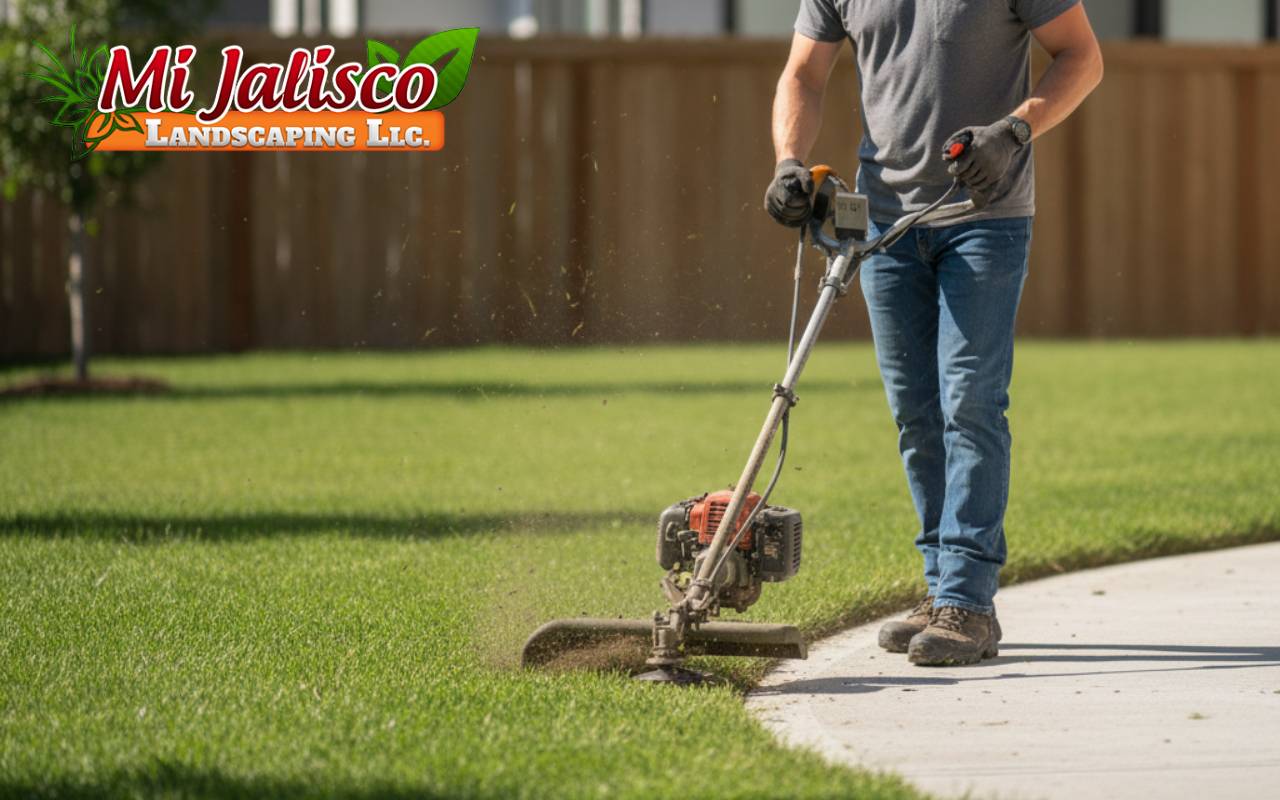
Transform your outdoor space into a lush, verdant paradise with these essential lawn maintenance tips that every Virginia homeowner should know. As the seasons change, the unique climate and conditions of Virginia present both challenges and opportunities for maintaining a vibrant lawn. Many homeowners find themselves wondering about the how to care for Virginia lawns or how often to water their grass to achieve those picture-perfect results. This guide will help you navigate the essentials of lawn care specifically for Virginia’s environment. Discover the secrets behind a thriving lawn by learning strategies for preventing weeds, setting a lawn fertilization schedule, and recognizing when your lawn needs aeration. Whether you’re an experienced gardener or just starting, these principles will enhance both your lawn’s health and your home’s beauty.
Understanding Virginia’s Climate and Soil Composition
Virginia’s climate combines coastal humidity and mountain coolness, creating diverse growing conditions. Summers are warm and humid, while winters bring occasional frost. These changes influence how your grass grows and responds. Soil composition varies by region but often includes clay or loam. Clay holds water but compacts easily, while loam drains well and supports strong roots. Testing soil texture and drainage helps you decide on amendments such as compost or sand. When you understand climate and soil, you build a solid foundation for applying the right lawn maintenance tips to achieve lasting results.
Best Practices for Mowing Your Lawn in Virginia
- Set your mower height between 2.5 and 3.5 inches for most grass types.
- Use sharp blades for clean cuts that prevent disease.
- Change your mowing pattern frequently to reduce compaction.
Homeowners often wonder about the best time to mow lawn in Virginia. Late afternoon or early evening is ideal since grass is dry and not heat-stressed. Avoid cutting more than one-third of the blade at once. By following these easy steps, your yard will stay healthy and attractive all season long. For extra help, explore affordable lawn care services that simplify your routine.
Efficient Watering Techniques for Virginia Lawns as part of lawn maintenance tips
- Water early in the morning to reduce evaporation.
- Provide one to one and a half inches of water weekly.
- Use deep, infrequent watering to strengthen roots.
Tracking your watering frequency for grass ensures your lawn stays hydrated without waste. Avoid night watering to prevent fungal problems. With consistency, you’ll cultivate deep roots and durable turf that resists heat and drought.
Weed Control Strategies Tailored for Virginia
Addressing weeds early is key for a neat lawn. Applying pre-emergent herbicides in spring stops many weeds before they sprout. Once visible, remove them by hand or treat selectively. Learning how to prevent lawn weeds starts with promoting dense, healthy grass through proper mowing and fertilization. Regular maintenance limits invasion and preserves your lawn’s natural appeal.
Implementing a Fertilization Schedule for Virginia Lawns as part of lawn maintenance tips
Establishing a lawn fertilization schedule is one of the most valuable lawn maintenance tips for homeowners. Apply balanced fertilizer in early spring, again in late spring, and once more in early fall. Choose slow-release products for even nutrient delivery. Match timing to grass type for best results. With a thoughtful schedule, you’ll build stronger roots and maintain lush, green growth throughout the year.
Signs and Benefits of Aeration for Virginia Lawns
Aeration relieves compacted soil and allows better airflow, water, and nutrients to reach roots. Watch for signs your lawn needs aeration such as standing water or thin patches. Aerating annually promotes healthy turf and improves overall resilience. Consider professional assistance to achieve the best outcomes and longer-lasting results.
Managing Common Lawn Pests in Virginia as part of lawn maintenance tips
Pests like grubs and chinch bugs can damage Virginia lawns quickly. Early inspection helps you detect issues before they spread. Encourage beneficial insects for natural control or use targeted treatments only when necessary. By monitoring consistently, you’ll protect your lawn and minimize pest-related stress.
Importance of Proper pH Levels in Virginia Soil
Balanced soil pH ensures nutrients stay available to grass. Most Virginia lawns thrive between 6.0 and 7.0. Use soil test kits to monitor levels regularly. If acidic, add lime; if alkaline, apply sulfur. Adjustments maintain nutrient balance and promote greener turf across seasons.
Overcoming Challenges of Lawn Care in Virginia
- Use drought-tolerant grass varieties for dry periods.
- Apply mulch to retain soil moisture.
- Amend clay soils with organic matter for improved drainage.
To overcome local lawn challenges, address shady areas, compacted soil, and varying moisture needs. When in doubt, reach out through the contact us page for expert advice on lawn maintenance and care plans designed for your property.
FAQs About Lawn Maintenance in Virginia
How often should I water my lawn in summer?
Water once or twice per week, depending on rainfall. Aim for deep watering sessions early in the morning.
When is the best season to fertilize Virginia lawns?
Spring and fall are ideal. These periods promote active growth and prepare roots for seasonal changes.
Do I need to aerate my lawn every year?
Most lawns benefit from annual aeration, especially those with clay soil or high foot traffic.
How can I tell if my soil pH is balanced?
Use a soil test kit. If results show acidity or alkalinity, apply the proper amendment accordingly.
What’s the easiest way to control weeds naturally?
Maintain dense turf, mow regularly, and use mulch or hand removal to stop weeds before they spread.
Final Thoughts on Lawn Maintenance Tips
Keeping a lush Virginia lawn requires dedication and knowledge. By applying these lawn maintenance tips, following your fertilization schedule, and monitoring water and soil conditions, you’ll cultivate a healthy yard year-round. Explore our affordable lawn care services for expert help or contact us today to get professional guidance tailored to your property’s needs.