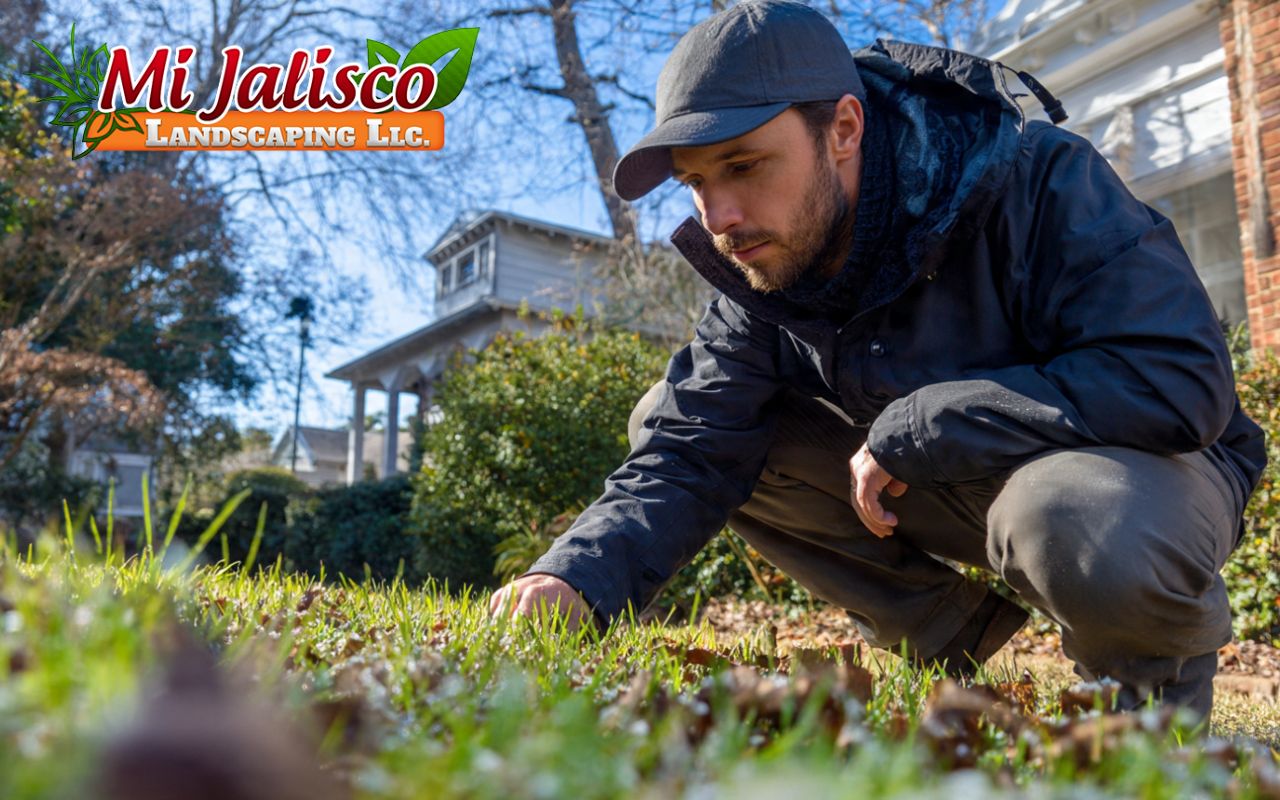
Winter Weed Control in Richmond, VA can feel tricky, especially when weeds keep popping up. However, winter also gives you a smart chance to act early. With the right steps, you can protect grass now and enjoy a cleaner lawn in spring.
Moreover, think of your yard like a simple green canvas. When weeds break that look, it feels frustrating. Therefore, small, timely steps can save effort later. As a result, you spend less time fixing problems when warm weather returns.
Why winter weeds show up in Richmond
Winter Weed Control in Richmond, VA starts with knowing what happens in cold months. Even so, some weeds grow while grass slows down. Meanwhile, damp soil and thin turf create open space for weeds to take hold. Therefore, quick attention now can limit bigger patches later.
In addition, grass often rests in winter, so it cannot crowd out new plants. As a result, Broadleaf weeds can spread fast in bare spots. Consequently, watching your lawn in winter helps you act before growth turns messy.
Common winter weeds to watch
First, spotting weeds early makes your next step simpler. For example, many winter weeds stay low and spread out. Therefore, check thin areas, edges, and sunny spots often. If you need help comparing what you see, use these local guides for practical next steps.
- Chickweed: low mats with tiny white flowers
- Henbit: purple blooms with scalloped leaves
- Bittercress: small white flowers and popping seed pods
- Clover: three-leaf clusters that fill thin turf
Also, for local care routines, review Richmond lawn care tips for homeowners. Then, if you want broader seasonal ideas, explore seasonal lawn care tips.
When to act before weeds sprout
Timing matters, because barriers work best before seeds wake up. In Richmond, many homeowners plan around soil warming trends and steady weather. Therefore, keep an eye on late winter shifts, because that window often guides early prevention. In short, Pre-emergent timing can make later work much lighter.
Also, try to avoid heavy rain right after you apply a product. Otherwise, it can move away from the target zone. Consequently, a little planning can raise your success rate.
Choosing the right winter weed products
Winter Weed Control in Richmond, VA works best when products match your grass and your weed problem. For example, some options block new growth, while others treat weeds that are already visible. Therefore, always read labels and choose tools made for your turf type.
- Granules: easy to spread and often steady in coverage
- Liquids: helpful for faster, focused coverage
- Selective weed killers: aimed at weeds without harming grass
Moreover, if you want year-round support, see lawn care services in Richmond. Then, you can match product choices to your lawn’s needs.
How to apply products safely
Good results depend on good habits. Therefore, follow label steps, measure carefully, and apply during calm weather. As a result, you reduce drift and uneven coverage. In addition, Safe applications include basic protection like gloves and eye wear, plus careful cleanup after use.
Also, light watering can help activate some products. However, avoid heavy runoff, because it can wash treatment away. Consequently, small details can protect nearby plants and hard surfaces.
Targeted fixes for small patches
Sometimes, only a few spots need attention. Therefore, focus on the weeds you see and treat only those areas. As a result, you use less product and protect healthy grass. In many cases, Spot treatment works best on a dry, calm day, so leaves can absorb the spray.
Meanwhile, check the area again after a few days. If needed, follow label guidance for a second pass. Consequently, you stop small issues from turning into wide patches.
Winter lawn care habits that help
Healthy grass makes weed control easier. Therefore, keep mowing at a steady height and clear leaves often. As a result, light and air reach the turf more evenly. In addition, Lawn health improves when soil is not packed down and water is not overused in winter.
- Rake leaves and debris so grass can breathe
- Mow at a moderate height to shade bare soil
- Aerate compacted spots when conditions allow
Also, avoid watering unless a long dry stretch shows up. Consequently, you lower the chance of disease while keeping turf steadier.
How to stop weeds from coming back in spring
Winter Weed Control in Richmond, VA is also about what happens next. Therefore, plan a simple spring routine and inspect your lawn weekly. As a result, you catch new growth before it spreads. In addition, Crabgrass prevention works better when grass stays thick, since dense turf blocks sunlight from seeds.
Moreover, pull a few early weeds by hand when soil is soft. Then, treat only what you must, so your lawn stays balanced. Consequently, your yard looks cleaner through the whole growing season.
Frequently Asked Questions
What is the biggest winter weed problem in Richmond?
Often, low-growing weeds spread in thin turf during cold months. Therefore, checking weak spots early helps you stay ahead. As a result, you can limit patchy growth before spring.
Do I need to treat the whole lawn in winter?
Not always. In many cases, focused work is enough. Therefore, start with problem areas and watch results. Then, expand only if weeds keep spreading.
How do I know if my lawn is too thin?
If you see soil in many places, grass is likely thin. Therefore, improve mowing habits and clear leaves often. As a result, grass has a better chance to fill in.
Is it okay to treat weeds on a windy day?
No, because wind can move product onto plants you want to keep. Therefore, wait for calm weather. As a result, your treatment stays where it belongs.
When should I contact a local lawn pro?
If weeds keep returning or your lawn stays patchy, extra help can save time. Therefore, reach out through the contact page with details about your yard. Then, you can get a plan that fits your turf.
Enjoy a greener lawn all year
Winter Weed Control in Richmond, VA becomes simpler when you act early and stay consistent. Therefore, watch your turf, treat small issues fast, and keep basic care steady. As a result, your lawn enters spring stronger, cleaner, and easier to maintain.