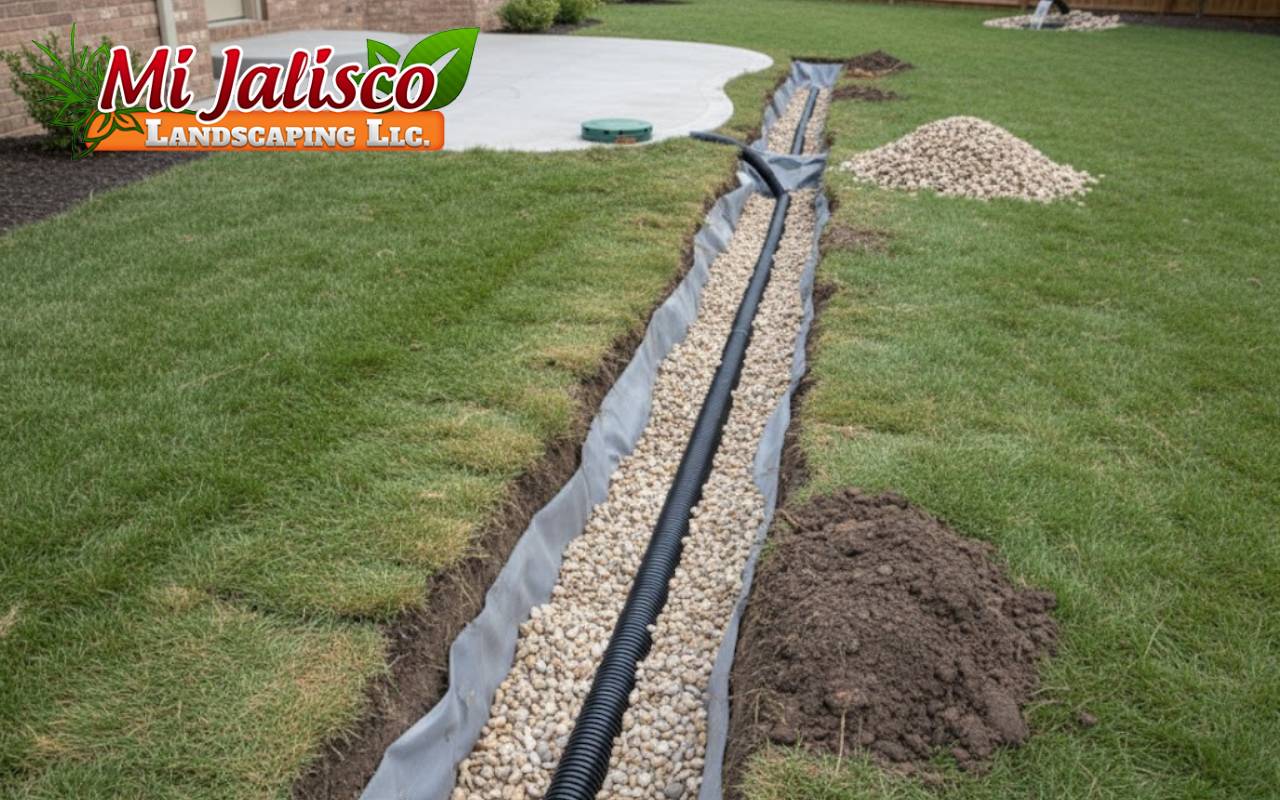
Firstly, your French drain protects your home from sneaky water problems. Moreover, small issues can grow fast and harm foundations. However, you can act early and avoid big repairs. Therefore, learn how to spot trouble and keep things simple.
Importantly, if you wonder how to tell if your french drain is working, you are not alone. Additionally, this guide explains checks, fixes, and upkeep. Furthermore, it links helpful resources and shows when to call pros.
Understanding the Purpose of a French Drain
Generally, a French drain gathers extra water and moves it away. Additionally, a gravel trench and a perforated pipe guide flow safely. However, the system hides underground and protects curb appeal. Therefore, water should move freely without pooling.
Moreover, a gentle slope pushes water from your house. Consequently, steady flow means success. Likewise, wet spots suggest trouble. Therefore, knowing how to tell if your french drain is working helps you act fast.
Helpful Background and Related Guides
Additionally, you can explore planning and installation. Therefore, review Reasons for Installing a French Drain for benefits. Moreover, learn methods in How to Install a French Drain. Finally, see yard tips in Why Drainage Systems Matter in Your Garden.
Signs That Your French Drain May Not Be Working Properly
- Firstly, standing water after rain shows poor flow or low pitch.
- Secondly, musty smells or damp walls suggest basement moisture.
- Moreover, erosion or dips along the trench hint at pipe stress.
- Finally, puddles near the foundation signal bypassed drainage.
Consequently, these are clear signs of a clogged french drain. Therefore, check soon to confirm.
A Simple 4-Step Check to Confirm Operation
- Firstly, walk the lawn and mark soggy areas after storms.
- Secondly, scan basement walls for leaks, stains, or mold.
- Moreover, expose a short section and look for sitting water.
- Finally, hose water upslope and watch the outlet for steady flow.
Therefore, these steps show how to tell if your french drain is working in minutes.
Assessing Water Flow in Your French Drain
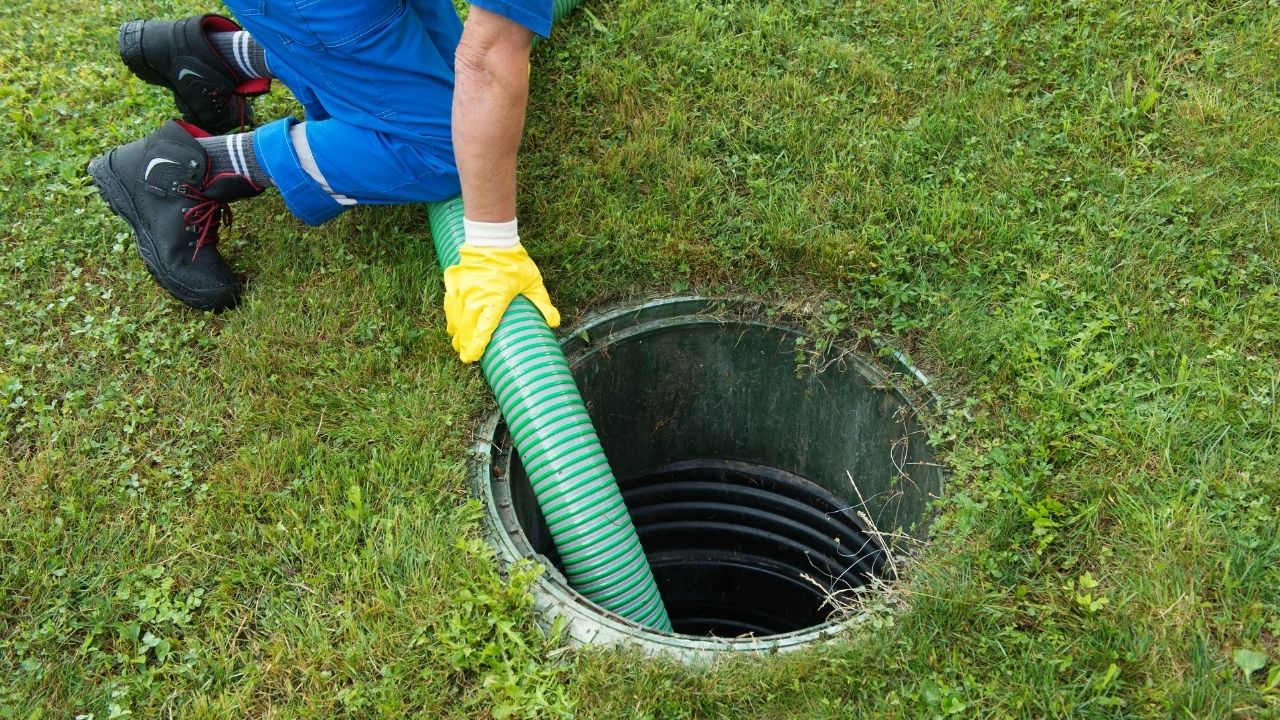
Firstly, clear the outlet so you can observe discharge. Moreover, feed a garden hose at the inlet. Consequently, fast and steady flow signals a clean path. However, slow trickles suggest blockages or flattening. Therefore, this quick test confirms how to tell if your french drain is working without guesswork.
Checking for Clogs and Blockages
Firstly, gently uncover gravel over a suspect spot. Moreover, look for mud, roots, or packed soil. Additionally, flush the pipe with high pressure and sweep the nozzle. Furthermore, use a drain snake for stubborn buildup. Finally, wrap repairs with filter fabric to reduce repeat issues.
Consequently, these steps offer practical french drain troubleshooting without heavy digging.
Importance of Proper Sloping in French Drain Systems
Generally, a one-percent drop keeps water moving by gravity. Moreover, flat runs cause sediment and backups. Therefore, use a level or line level to verify fall. Additionally, adjust gravel and pipe until the drop is consistent.
However, if you notice french drain not draining water, recheck slope first. Consequently, many problems start there.
Testing the Efficiency of Your French Drain During Heavy Rain
- Firstly, watch the outlet for pooling or weak flow.
- Secondly, trace the trench line and scan the lawn.
- Moreover, note seepage near walls and windows.
- Finally, clear leaves or mulch that block openings.
Consequently, storm checks reveal problems early. Therefore, plan quick cleanups after big showers.
Addressing Standing Water Issues Around Your Property
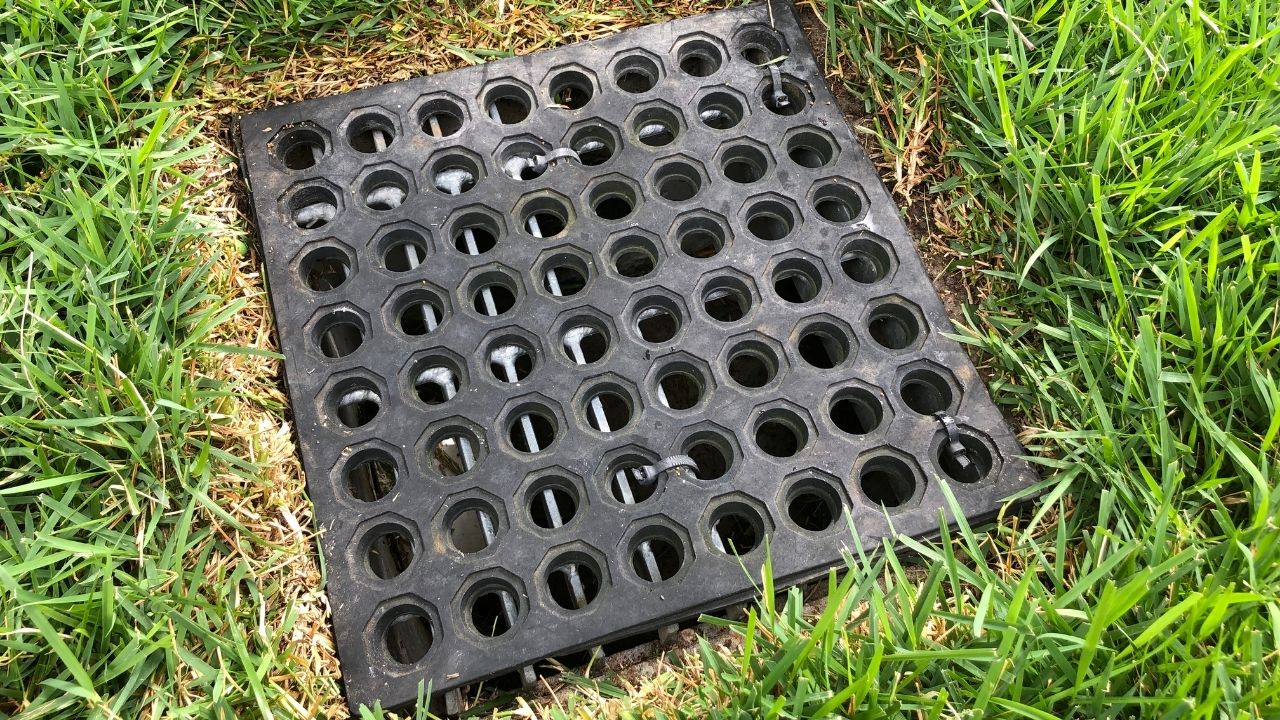
- Firstly, regrade gentle lows to guide water toward the inlet.
- Secondly, add a catch basin and tie it into the drain.
- Moreover, keep inlet and outlet areas free of debris.
Additionally, review Water Coming Out of the Ground in Your Yard for extra pointers.
DIY Maintenance Tips for Your French Drain
- Quarterly, clear grates and remove leaves, soil, and small stones.
- Annually, flush the pipe on high pressure and refresh clean gravel.
- Additionally, wear gloves and eye protection during flushing.
- Finally, map the drain route and mark the outlet for faster checks.
Moreover, use these french drain maintenance tips to stretch system life.
When to Seek Professional Help for French Drain Problems
Firstly, call if flushing and minor grading fail. Moreover, recurring backups suggest roots, crushed pipe, or design flaws. Additionally, camera inspection can pinpoint hidden breaks. Finally, pros can replace damaged sections and restore slope.
Therefore, if you need help, contact us. Moreover, visit Contact Mi Jalisco Landscaping for fast support. Additionally, winter prep matters, so see Get Your Drain Fixed Before Winter Strikes.

Frequently Asked Questions
How do I quickly confirm my drain works?
Firstly, run a hose upslope and watch the outlet. Moreover, steady discharge shows good flow.
What causes slow or no flow?
Generally, clogs, crushed pipe, or poor slope cause trouble. Additionally, debris at the outlet blocks water.
How often should I flush the pipe?
Annually is wise. Moreover, flush after heavy leaf seasons.
When should I call a professional?
Firstly, call if backups return. Additionally, call if you suspect collapsed pipe or roots.
Can I prevent future blockages?
Moreover, keep openings clean and use filter fabric at repairs. Additionally, maintain a steady slope.
Ensuring the Long-Term Functionality of Your French Drain
Ultimately, routine checks prevent big bills. Moreover, watch for signs, test flow, and fix small issues early. Therefore, you will know how to tell if your french drain is working for years. Additionally, if problems continue, ask an expert. Finally, you can also learn how to fix a french drain problem with guided help.